

What Causes SCBA Air Leaks and How Can They Be Prevented
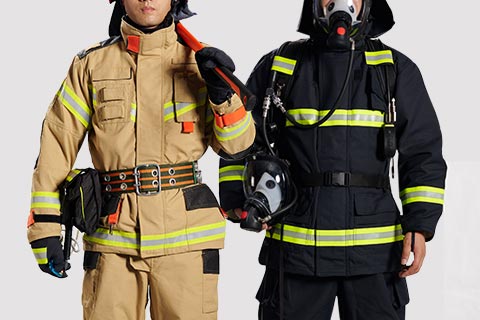
SCBA is the core life protection equipment for firefighters to operate in a smoky, toxic and hypoxic environment.Once an air leak occurs in SCBA, it will directly shorten the available time of the gas cylinder, causing an imbalance in the pressure in the mask, the invasion of toxic fumes, and a serious threat to the lives and safety of rescuers.A large number of on-site accident replays show that the vast majority of SCBA air leaks are not congenital defects in the equipment, but are caused by the accumulation of aging seals, loose connections, and lack of daily maintenance.From the identification of the root cause of leakage, on-site detection methods, to long-term prevention methods and sudden air leakage disposal processes, the establishment of a complete SCBA air tightness management system can effectively reduce the risk of accidental failure of equipment in emergency scenarios, and build a solid life protection bottom line for front-line operators.
Common Causes of Air Leaks in SCBA Systems
Damaged seals and O-rings
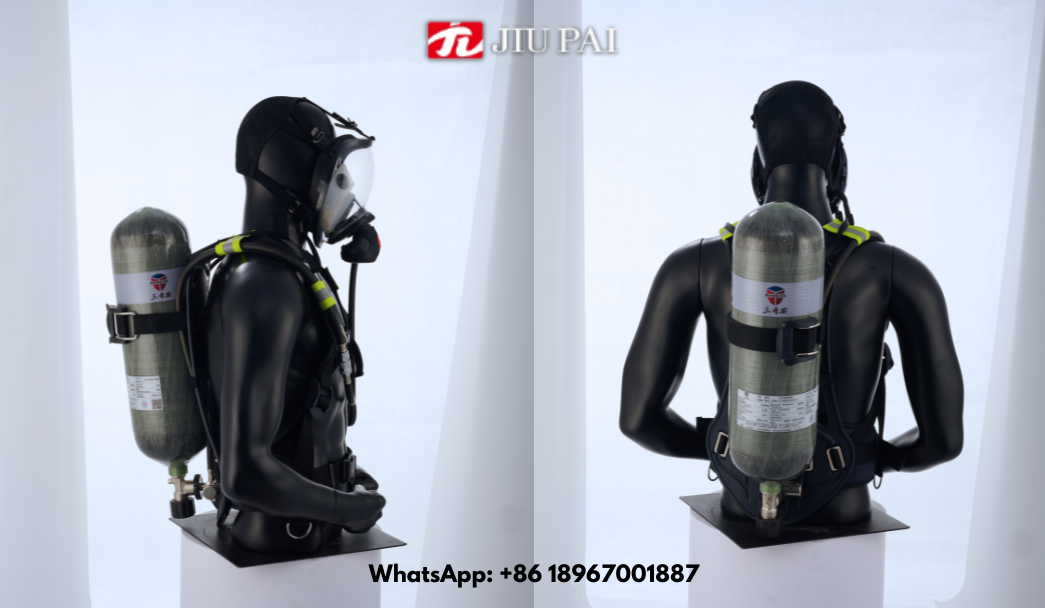
The sealing ring and O-ring are the basic components of the air tightness of the SCBA machine, and are distributed in key locations such as the bottle head valve, pressure reducer, air supply valve, and mask interface.Rubber materials can withstand high pressure, alternating high and low temperatures, oil pollution, and chemical erosion for a long time, and will gradually harden, crack, deform, and permanently compress and deform.Scratches and improper storage environment during disassembly and assembly of gas cylinders can also cause minor damage to the surface of the O-ring, which is difficult to directly identify with the naked eye.This kind of minor damage will form a continuous air leakage channel in the state of high-pressure air supply. In many cases, the leakage is slight when the equipment is standing, and the amount of leakage is rapidly enlarged after the equipment is put into a fire or industrial rescue operation. It can easily be ignored by on-site personnel and become a major safety hazard in the rescue process.Loose or damaged connections
The SCBA system contains multiple threaded quick-plug joints, and the gas cylinder valve, high-pressure pipeline, pressure reducer interface, and mask air supply valve interface are all key connection points.Frequent disassembly and assembly of gas cylinders and rough insertion and unplugging of air supply valves will cause thread slippage and joint deformation.Daily inspections are not in place, and the joints are not tightened according to the standard torque, leaving gaps.The high temperature impact and bump impact of the fire field will further expand the connection gap, causing high-pressure gas leakage.Some operators mix non-standard joints when replacing accessories, and the matching accuracy is insufficient, and even if they are tightened vigorously, they cannot achieve effective sealing.This kind of leakage is often accompanied by subtle hissing air flow, and the pressure drops quickly. It belongs to the type of air leakage that is high in the field use stage.Faulty valves and regulators
The bottle head valve, pressure reducer, and air supply valve are the core components of SCBA pressure regulation. The valve core, diaphragm, and spring components operate repeatedly for a long time, which is prone to wear, stagnation, and impurity accumulation.Dust and oil entering the valve body will hinder the closing of the valve core, causing the valve to be closed tightly and continue to relieve pressure.Aging and damage to the diaphragm will destroy the pressure balance mechanism of the air supply valve, causing continuous deflation.The precision parts inside the pressure reducer are damaged, and failures such as unstable pressure and automatic pressure relief will occur.Valve faults are highly concealed, and simple visual inspection is difficult to locate. Professional pressure testing is often required to confirm. Once they fail suddenly under rescue conditions, the compressed air in the cylinder will be quickly exhausted.Worn hoses and fittings
SCBA high-pressure and medium-pressure breathing hoses are made of rubber-reinforced materials. Long-term bending, extrusion, friction, and high-temperature baking will accelerate the aging and cracking of the outer layer.The crimping position of the hose and the joint is a weak area. Repeated bending will cause cracking of the inner layer, but the external appearance is not significantly damaged.Sharp objects scratching and chemical corrosion at the rescue site can cause microporous leakage of the pipe wall.The buckle of the supporting pipe joint is aging and corroded, which will also destroy the pipe seal.The initial flow rate of hose leaks is small. With pressure fluctuations and mechanical vibration, the damaged location continues to expand, and it develops from micro-leakage to serious air leakage in a short period of time, directly interrupting the air supply guarantee.Cylinder damage
The carbon fiber composite gas cylinder is the pressure storage unit of SCBA. Scratches, bumps, pits, and high temperature burning damage to the epoxy resin protective layer on the outer layer of the cylinder will destroy the structural integrity.Damage to the thread of the base of the bottle valve and cracks in the position of the bottle shoulder may cause gas leakage.Illegal overpressure in the filling process of gas cylinders and long-term storage in an exposed environment will accelerate the fatigue and aging of materials.The accumulation of water and oil inside the gas cylinder corrodes the inner wall, which will also indirectly affect the sealing of the bottle valve.According to the regulations, gas cylinders need regular hydrostatic tests. If the appearance damage exceeds the standard or the hydrostatic test fails, they must be scrapped directly. It is forbidden to fill with injuries to prevent the risk of leakage or even bursting of gas cylinders.How to Detect Air Leaks in SCBA Equipment
Visual inspection
Visual inspection is the basic leak detection method before each use. The operator needs to systematically check all the sealing points and parts of the complete set of SCBA.Focus on observing whether the O-ring has gaps, whitish hardening, expansion and deformation.There are no cracks, bulges, or scratches on the surface of the hose.Whether the joint thread is slippery or rusted.Whether the rubber skirt of the mask is damaged or not.Whether there are bumps or burning marks on the protective layer of the gas cylinder.Whether the various valve housings are cracked or not.Visual inspection cannot find small internal leaks, but it can quickly identify obviously damaged parts and eliminate high-risk equipment in advance.Maintain adequate lighting during inspection, record appearance defects point by point, and suspend use of any suspicious damage and enter a professional inspection process.Leak tests
The soap bubble leak detection method is the most commonly used qualitative leak testing method on site. The special leak detection soap liquid is evenly applied to all sealing joints, valves, hoses, and bottle valves, and the gas cylinder is filled to the rated pressure. After closing the bottle valve, observe whether air bubbles continue to occur.The appearance of bubbles means that there is a leakage point, and the speed of bubble generation corresponds to the severity of the leakage.For high-precision detection scenarios, helium mass spectrometry leak detection equipment can be used to capture trace leaks.The threshold for soap bubble leak detection operation is low, which is suitable for the team's regular daily investigation, but it can only locate the leakage of the exposed interface, and cannot detect the hidden leakage of the internal components of the mask and the pressure reducer. It needs to be performed together with the pressure test.Pressure drop checks
The pressure drop test is the core quantitative method for judging the air tightness of the SCBA machine. Inflate the cylinder to the rated working pressure, completely open the cylinder valve to stabilize the pressure, close the cylinder valve, keep it standing, and observe the changes in the value of the pressure gauge.If the pressure drop exceeds the standard limit within the specified time, it is determined that there is a leak in the whole machine.The test environment needs to maintain temperature stability to avoid temperature changes interfering with pressure readings.The pressure drop test can reflect the comprehensive sealing state of the entire respirator, but it cannot directly locate the specific leakage point.Once the pressure drop exceeds the standard, it is necessary to combine the soap bubble leak detection to investigate the high-pressure circuit, medium-pressure circuit, and mask components in stages, and lock the air leakage parts one by one to complete the fault traceability.Regulator inspection
The pressure reducer and the air supply valve are precision pressure regulating components, and air tightness and function verification need to be carried out separately.The inspection includes static sealing test and dynamic air supply test. After closing the air source, check whether the air supply valve continues to deflate.Simulate the inhalation and exhalation movements of the wearer to verify whether the opening and closing of the diaphragm is normal and whether there is free and continuous venting.At the same time, check whether the alarm pressure is accurate and whether the low-voltage alarm whistle can be triggered normally.The internal failure of the pressure reducer cannot be identified by the naked eye, and it needs to be disassembled and tested by professionals.Daily users can only complete the external function verification. Once the air supply is abnormal, abnormal noise, and pressure relief is out of control, it must be handed over to an authorized maintenance agency for disassembly and overhaul.How to Prevent Air Leaks in SCBA Systems
Inspect equipment before use
Pre-use inspection is the most important first line of defense to prevent SCBA leakage accidents. Before each alarm and operation, the operator must complete a full set of equipment air tightness pre-inspection.First visually check the appearance of all seals, pipelines, joints, and gas cylinders.Then turn on the gas cylinder to check the initial pressure, and perform a simple pressure drop test.Wear a mask and do a negative pressure adhesion test to confirm that the mask fits without air leakage.Any SCBA found to be suspected of air leakage, abnormal pressure, or damaged parts shall be directly marked and disabled, and it is strictly prohibited to enter emergency operations with illness.The team shall establish an equipment inspection ledger to record the time, pressure value, and appearance of each inspection, so as to achieve traceable management of equipment status.Maintain seals and connections
Preventive maintenance of seals and joints can greatly reduce the probability of SCBA leakage.Disassemble and check the status of the O-ring regularly, and replace the rubber seals in batches according to the cycle. Don't wait until the damage occurs before replacing it.When disassembling and assembling gas cylinders and joints, move gently to avoid scratching the O-ring with knives and metal edges and corners, and clean the sealing surface before assembly to remove dust and sand impurities.The joints are fastened in accordance with the torque specified by the manufacturer, and thread damage caused by violent twisting is prohibited.Protect the joint interface when storing, and install a dust-proof protective cap to prevent contaminants from entering the sealing surface.Replacement parts must be made of original certified parts. Non-standard O-rings, joint sizes, and materials do not match, which can easily cause high-pressure leakage.Follow proper filling procedures
Irregular filling operation of gas cylinders will indirectly cause SCBA sealing failure and bottle leakage.Thoroughly check the appearance and validity period of the gas cylinder before filling, confirm that the hydrostatic test is qualified, and the bottle valve is intact.Clean up the impurities at the interface of the gas cylinder and check the status of the O-ring of the bottle valve.Strictly control the filling pressure and prohibit overpressure filling.The compressed air source must be clean and dry. Excessive oil and moisture content will continue to corrode the rubber parts inside the bottle valve and pipeline, accelerating the aging of the seal.The filling process slowly boosts the pressure to avoid sudden changes in pressure from impacting the sealing structure of the valve group.After the filling is complete, let it stand for leak detection, confirm that there is no leakage in the position of the bottle valve, and then put it in stock, and make a record of the filling.Clean and store equipment correctly
SCBA is cleaned and disinfected in time after each use, and the long-term attachment of pollutants and acid-base residues in the fire site will corrode the rubber seal.Use a neutral cleaning agent designated by the manufacturer for cleaning, avoid soaking the O-ring and mask rubber with strong solvents, and dry thoroughly after cleaning, and prohibit high temperature baking.Keep the storage area dry and away from light, away from heat sources, chemicals, and sharp materials, and avoid long-term compression and bending of the hose.Do not stack and squeeze the equipment when it is stored, and keep the mask stretched naturally to prevent long-term deformation of the rubber skirt.The gas cylinder is stored upright to protect the bottle valve from bumps, and the equipment is stored in regular rotation to avoid long-term aging of the seals.Schedule professional servicing
Preventive professional maintenance is the key to long-term guarantee of SCBA sealing performance, and cannot only rely on the daily visual inspection of the team.In accordance with national regulations and equipment manufacturers' requirements, regular arrangements are made for institutions authorized by the original factory to carry out a comprehensive overhaul of the whole machine, including all air tightness tests, valve assembly disassembly verification, and parts wear assessment.After the maintenance is completed, a test report will be issued and filed.Direct replacement of longevity seals, aging hoses, and failed valves.Even if the equipment is used frequently and the specified cycle is reached, it must be sent for inspection, and the rubber seals will age naturally over time.Professional maintenance can detect hidden internal leakage risks that cannot be recognized by the naked eye in advance.What to Do When an SCBA Air Leak Is Detected
Stop using the equipment
Once the SCBA is detected or air leakage is found on site, the first action is to stop using the equipment immediately and never continue to enter the hazardous operating area.Even if it is only a slight air leakage, it cannot be used temporarily. The amount of leakage will increase rapidly with pressure changes, vibration, and high temperature environments.The operators evacuated the contaminated and hypoxic hazardous areas as soon as possible and transferred to a safe and ventilated area.Isolate the fault SCBA separately and paste the eye-catching fault disable identification to prevent other personnel from misusing it by mistake.At the same time, report to the equipment management personnel, record the fault phenomenon, discovery time, and use conditions, and keep a complete event record for subsequent safety review.Isolate the air supply safely
To safely isolate the air source, it is necessary to follow a standardized operation process, and the operation site should be selected in a safe area without open fire and no flammable and explosive media.Slowly close the cylinder head valve to release the residual pressure inside the pipeline, and the pressure relief process avoids the human body to prevent the impact of high-pressure gas from hurting people.Do not disassemble the joint during the pressure relief process to avoid gas injection under residual pressure.If the leakage point continues to leak in large quantities, keep the station away from the direction of the leakage, and wait for the pipeline pressure to be completely released before carrying out follow-up inspections.It is forbidden to disassemble the pressure reducer and air supply valve components while the air source is not isolated throughout the process to prevent the high-pressure components from popping up and causing personal injury.Arrange qualified inspection
After the safe isolation of the air source is completed, qualified professionals who have been trained and authorized by the manufacturer will be arranged to carry out comprehensive fault detection.Ordinary first-line firefighters cannot disassemble the SCBA core valve set to avoid expansion and damage.Inspectors use pressure drop testing, soap bubble leak detection and other methods to locate the leakage point in segments to determine whether it is a seal, joint, hose or valve failure.Complete record the location of the fault and the degree of leakage, and evaluate the overall damage of the equipment.Issue test conclusions, determine the feasibility of maintenance, clarify the list of parts that need to be replaced, form a formal test document, and incorporate it into the equipment life cycle file management.Replace damaged components
After the fault location is confirmed, use the original certified parts to replace the damaged parts, and it is forbidden to use cheap non-standard parts to replace them.When replacing seals such as O-rings, hoses, valve diaphragms, etc., clean the mating contact surface to avoid scratches on the new sealing components during the assembly process.After the replacement of the parts is completed, a full set of air tightness tests must be re-conducted to confirm that the leakage problem is completely eliminated and the pressure remains stable.After the repair is qualified, the disabled mark can be removed and put back into use.If the bottle body and core valve group are severely damaged and the safety performance cannot be restored after maintenance, they will be scrapped in accordance with the specifications and will no longer continue to serve.How to Choose an SCBA with Reliable Sealing Performance
Check component quality
When purchasing SCBA, the quality of the core sealing parts directly determines the anti-leakage ability of the whole machine.Priority is given to the O-ring and mask sealing skirt made of special rubber that is resistant to aging, chemicals, and wide temperature range.The high-pressure hose adopts a high-strength reinforced structure, which has stronger bending and tear resistance.The internal valve core, diaphragm, and spring of the valve set are made of precision machined materials to reduce the probability of wear and stagnation.Check the process details of the parts and components, check the machining accuracy of the joints, and avoid the hidden dangers of sealing caused by rough threads.High-quality SCBA will reserve sealing redundancy during the design phase to maintain stable air tightness in vibration and high temperature environments, reducing the probability of sudden leakage.Verify applicable certifications
Purchasing SCBA must verify complete and effective authoritative certification documents to confirm that the product meets the relevant domestic standards for respiratory protective equipment and has a type inspection report.The certificate needs to cover the air tightness, pressure resistance, component reliability and other test items of the whole machine, and reject unqualified and OEM products.Pay attention to the validity period of the certification, and check that the product model, specifications and certificate parameters are consistent.The qualification certification means that the product has undergone rigorous air tightness testing at the factory stage, and the sealing system is designed to meet the requirements of high pressure and harsh working conditions in fire-fighting and chemical emergency scenarios.Keep a copy of the certificate when purchasing to facilitate follow-up safety supervision verification and equipment management.Review maintenance support
High-quality SCBA suppliers need to provide a sound maintenance system, which is an important condition for long-term guarantee of sealing performance.Confirm that the manufacturer can provide original parts supply, professional leak detection equipment, standardized maintenance training, and localized technical services.Understand the maintenance response cycle and parts delivery cycle, so as to avoid the inability to purchase original parts after the seals are damaged in the later stage.Priority is given to manufacturers that can provide regular on-site inspections and annual machine verification services.A perfect after-sales maintenance system can help users establish a long-term air tightness management mechanism, deal with the aging of seals in a timely manner, and continuously reduce the risk of SCBA air leakage.FAQ
Can an SCBA leak while not in use?
will.Aging of the sealing ring, loose joints, valve failure or hose damage may all cause air leakage from standing.Regular inspection of the pressure of the gas cylinder helps to detect problems in time.How often should SCBA be leak-tested?
Inspections should be carried out before each use, and professional leak detection and cylinder testing should be carried out in accordance with the manufacturer's instructions and applicable regulations.Can firefighters repair SCBA air leaks themselves?
Not recommended.Untrained and authorized personnel should not disassemble or repair high-pressure components, and the faulty equipment should be deactivated and handed over to professional and technical personnel for inspection and maintenance.When should SCBA seals be replaced?
Seals should be replaced in time when they crack, harden, deform or leak.In addition, the maintenance and replacement cycles specified by the manufacturer should be followed, and accessories that meet the requirements should be used.Conclusion
Most of the hidden dangers of SCBA air leakage arise from aging seals, joint damage and maintenance omissions. Such problems can be controlled in advance through standardized inspections, regular maintenance and correct operation.Familiar with various types of leakage triggers, master visual investigation, soap bubble leak detection, pressure drop testing and other detection methods, and can quickly identify equipment air tightness defects.Once a leak is found, it must be deactivated immediately and handed over to professionals for maintenance, and it is forbidden to put it into operation with faults.In the procurement phase, priority is given to SCBA products with reliable sealing, complete qualifications and complete maintenance services.Only by continuously implementing the air tightness management of the whole life cycle and abiding by equipment maintenance standards can the risk of air supply failure be avoided to the maximum extent possible and the life and safety of front-line operators be guaranteed.
Last Article:
Request A Quote
Related News

Quick Consultation
We are looking forward to providing you with a very professional service. For any
further information or queries please feel free to contact us.