

What Are the Best Firefighter Gloves for Structural Firefighting
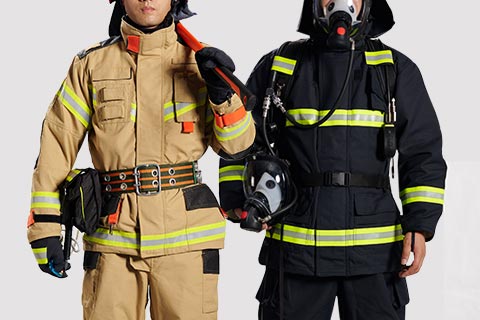
For frontline firefighters, structural firefighting gloves are the key equipment for protecting their hands. In the complex and hazardous structural fire scenes with high temperatures, cuts, chemical corrosion, etc., high-quality firefighting gloves can provide safety guarantees for firefighters' demolition, rescue and other operations. Many fire departments are confused about the performance and fit of the gloves when making purchases. This article will answer your questions.
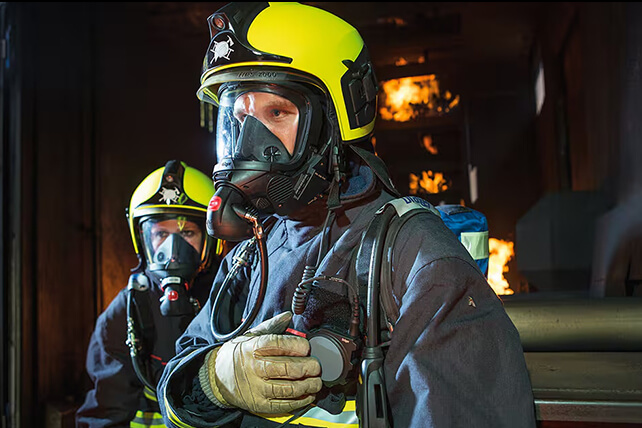
At structural fire scenes, firefighters' hands often face multiple threats such as high-temperature burns, sharp object scratches, and chemical irritation. Structural fire protection gloves rely on special materials and processes to prevent these risks, and they are an essential part of the firefighters' body protection system.
What Are Structural Firefighting Gloves
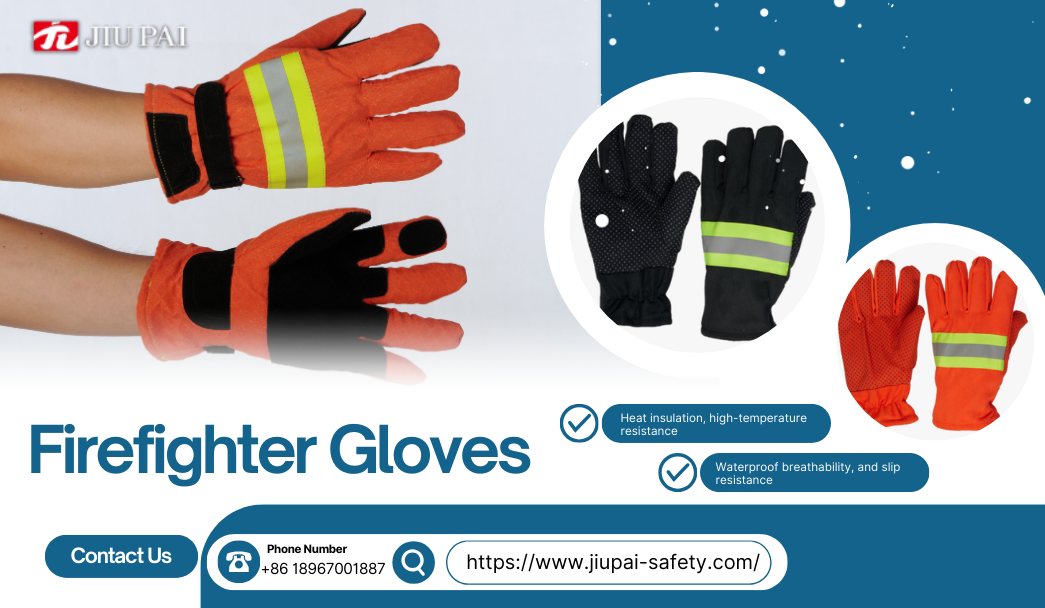
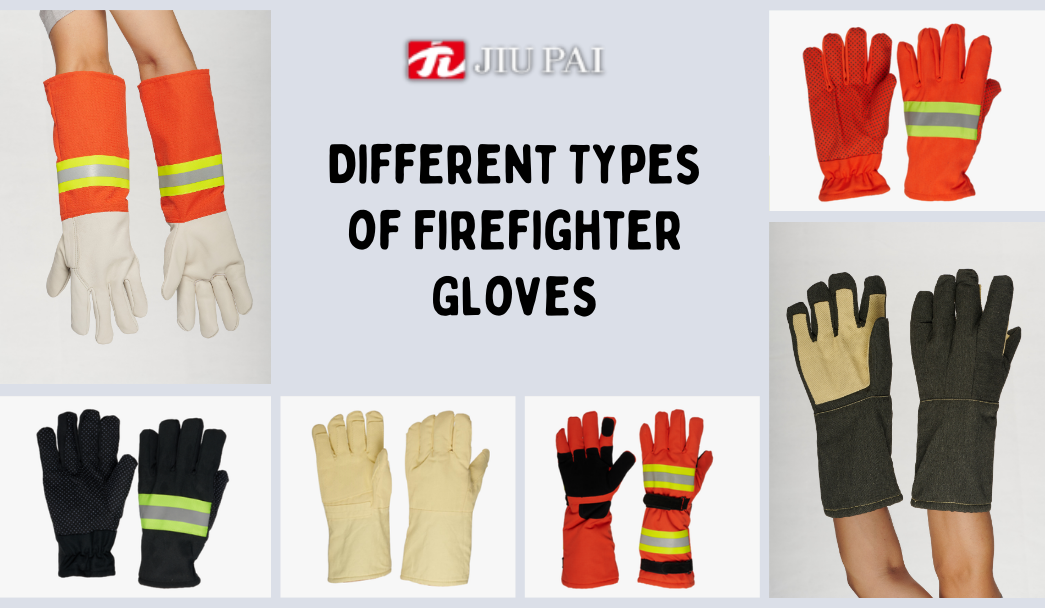
Structural fire protection gloves are specifically designed for building structure fires. Compared to ordinary fire or rescue gloves, structural firefighter gloves are more focused on the complex risks in enclosed spaces. Fire structural gloves can fully protect the firefighters' hands in extreme environments such as high temperatures and thick smoke, while ensuring operational flexibility and enabling them to perform delicate tasks such as grasping tools and rescuing trapped individuals.At structural fire scenes, firefighters' hands often face multiple threats such as high-temperature burns, sharp object scratches, and chemical irritation. Structural fire protection gloves rely on special materials and processes to prevent these risks, and they are an essential part of the firefighters' body protection system.
What Is the Best Material for Firefighting Gloves
The protective performance of gloves largely depends on the material. There is no such thing as an absolutely best material; only the material combination that best suits the structure of fire scenarios. Currently, the mainstream materials for structural firefighting gloves usually adopt a multi-layer composite structure. Different layers undertake different protective functions. The common core materials and their characteristics are as follows:Outer layer
The outer layer serves as the first barrier of the glove and must possess excellent heat resistance and wear resistance. Currently, the most widely used material is aramid, which can maintain its shape stability at temperatures above 200℃, and is not flammable or fusible. Even when exposed to open flames, it will only carbonize without dripping, effectively preventing high-temperature burns. Some high-end firefighter gloves will use a composite material of aramid and carbon fiber, which not only enhances the heat resistance but also further increases the tear resistance, capable of withstanding the impact of sharp objects during demolition.Inner lining
The lining layer comes into direct contact with the skin and its main functions are to insulate and absorb sweat. Common lining materials include aramid short fibers or pure cotton blended with aramid fabrics. Among them, aramid has an extremely low thermal conductivity, which can effectively block the heat transferred from the outer layer, keeping the hands within a safe temperature range. At the same time, these materials of structural firefighter gloves have good sweat absorption and breathability, which can reduce the feeling of heatiness caused by prolonged wearing, thereby enhancing the wearing comfort.Coating material
The coating on the palm and finger areas of the gloves directly affects the operational flexibility and grip strength. The nitrile rubber coating is the mainstream choice for structural fire protection gloves. It not only enhances the friction with tools, but also can firmly hold equipment such as water guns and wrenches even in humid environments. Structural firefighter glove's nitrile rubber also has certain chemical corrosion resistance and can resist the common acid and alkali fire extinguishing agents encountered during firefighting. Compared to natural rubber, the nitrile rubber has better high-temperature performance and is more suitable for structural fire scenarios.
Essential Features of the Best Firefighter Gloves for Structural Firefighting
To determine whether a structure fire protection glove is qualified, one cannot only focus on the material; the comprehensive performance characteristics should also be taken into consideration. Only when the following core requirements are met can it be regarded as a good glove suitable for structure fire protection.High-temperature resistance and heat insulation
These are the key indicators of structural fire-resistant gloves. According to national standards, a qualified structural fire-resistant glove must be able to withstand a temperature of 300℃ for 15 seconds without causing the inner layer temperature to exceed 45℃. When making a purchase, it is advisable to choose products that have passed the standard certification. Such heat resistant firefighter gloves have undergone strict high-temperature tests and can ensure the protective effect in a fire scene.Protection and flexible adaptation
Many people mistakenly believe that well-protected gloves are necessarily cumbersome. In fact, high-quality structural fire-fighting gloves solve this problem through ergonomic design. For example, certified firefighter gloves adopt a split-finger bending design that conforms to the movement arc of the finger joints. Reinforcement is carried out at the vulnerable areas such as the palm and the spaces between the fingers, while avoiding excessive thickening that would affect operation. After firefighters wear them, they should be able to easily perform fine actions such as holding a pen for recording, opening fire hydrants, and fastening safety belts.Sealing anti-permeation
The thick smoke, sewage, chemical liquids, etc. at a structural fire scene may seep through the gaps of the gloves. Therefore, good certified firefighter gloves will adopt an elastic tightening design at the cuffs to ensure a tight fit with the cuffs of the firefighting suit. The seams of the structural firefighting gloves are processed using a high-temperature pressure bonding technique instead of traditional needle and thread sewing, which avoids the risk of penetration caused by pinholes and at the same time enhances the tear resistance of the seams.Durable and impact-resistant
When firefighters are breaking down and moving heavy objects, their firefighting gloves are prone to severe friction and impact. High-quality structural firefighting gloves will add wear-resistant patches on key areas such as the palm and the back of the fingers, or use double-layer composite materials. The back of the fingers is usually designed with anti-collision protrusions, which can effectively cushion the harm caused by falling objects or impacts to the finger bones, thereby extending the service life of the gloves.How to Choose the Best Firefighter Gloves for Your Department
The duty scenarios and task priorities of different fire brigades vary. When purchasing firefighter gloves, one should not blindly follow the trend and seek high prices. Instead, one should make precise choices based on one's own needs. Here are practical purchasing suggestions for fire brigades:Match the characteristics of fires in the jurisdiction
If there are many complex structures such as high-rise buildings and factories in the jurisdiction, priority should be given to selecting firefighter gloves with excellent heat resistance and impact resistance. If there are a large number of chemical enterprises in the jurisdiction and there may be a risk of chemical leakage at the fire scene, special attention should be paid to the chemical penetration resistance of the gloves, and products with nitrile rubber coating or special chemical protection coating should be chosen.Pay attention to size fitting
The glove size is not suitable. It not only affects the operation, but also may cause the firefighter glove to come off due to being too loose or affect blood circulation due to being too tight. Before purchasing, the team members should be organized to measure the palm size one by one. Select the corresponding size based on the palm width plus the length of the fingers to ensure that everyone can wear a properly fitting glove. It is recommended to prefer brands that offer multiple fireproof firefighter gloves size options. If necessary, purchase samples first for the team members to try on, and then make bulk purchases.
Trust the authoritative certification
The quality of fire-fighting equipment directly affects life safety. As domestic products for export overseas, they need to take into account both domestic basic standards and authoritative certifications of the target market. JIUPAI fireproof firefighter gloves have all passed the GA 7-2004 mandatory standard certification for fire gloves, and at the same time, they can meet international norms such as EN 659 of the EU fire gloves standard according to export requirements. During cooperation, you can always consult the complete inspection reports, production qualifications, and corresponding international certification documents of the firefighter gloves.Balancing performance and cost-effectiveness
Structural fire gloves are consumables that need to be replaced regularly. Therefore, when purchasing, one should consider both performance and cost-effectiveness. It is not necessarily the case that the higher the price, the better. Instead, one should calculate the cost per unit of usage time. For example, a product with a slightly higher unit price but twice the lifespan of ordinary firefighter gloves is actually more economical. At the same time, one can negotiate with the brand manufacturer to establish a long-term cooperation, ensuring the timeliness and price stability of subsequent replenishments.When Should Structural Firefighter Gloves Be Replaced
Even if high-quality fireighting gloves are selected, regular inspections and timely replacements must still be carried out. Otherwise, if the structural firefighter gloves age or are damaged, their protective performance will significantly decline, and they may even become a safety hazard. The following situations require immediate replacement of the gloves:Obvious damage or performance degradation
When there are damages such as tears, carbonization, or melting on the outer layer of the structural firefighter gloves, or when the lining becomes hard after absorbing moisture and the heat insulation performance declines, as well as when the coating peels off and reduces the grip strength, the gloves should be immediately stopped from use and replaced. Especially for heat resistant firefighter gloves that have been used in a high-temperature fire scene, even if there are no obvious damages on the exterior, the inner heat insulation material may have been damaged. It is recommended to conduct professional testing before deciding whether they can be used again.Reach the stipulated usage period
According to the fire equipment management regulations, the recommended usage period for structural fire gloves is 12 months. Even if no major fire incidents occur during this period, they still need to be replaced regularly. This is because the material of the heat resistant firefighter gloves will age over time. For example, aramid material will gradually become brittle when exposed to air for a long time, and the coating will crack, resulting in a loss of protective performance.After coming into contact with special pollutants
If the certified firefighter gloves have come into contact with highly corrosive chemicals, radioactive substances, or infectious pathogens and other special contaminants, even after cleaning, they should not be reused. They should be directly scrapped to avoid potential health risks.Conclusion
The selection and use of structural firefighting gloves are crucial for the safety of firefighters. High-quality firefighter gloves can provide additional security for frontline personnel. If your team requires cost-effective structural firefighting gloves, you can match the requirements based on the key points in this article. Please feel free to contact us. We will provide professional solutions that comply with national standards and export regulations, using reliable equipment to safeguard the safety of firefighters.
Last Article:
Request A Quote
Related News

Quick Consultation
We are looking forward to providing you with a very professional service. For any
further information or queries please feel free to contact us.