
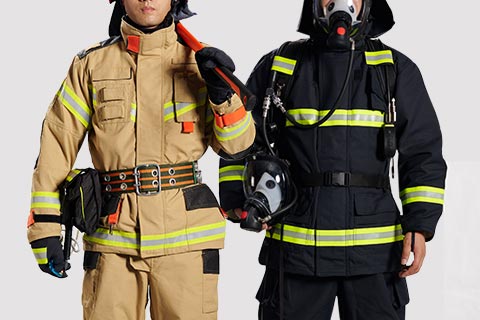

How Fire Helmets Protect Firefighters from Heat and Impact
At the scene of a fire, there are multiple lethal threats such as intense heat and falling debris. Firefighters need solid protection when they move against the flow. As the last line of defense for the head, the professional fire helmet for firefighters is a sophisticated protective gear that integrates technologies from multiple disciplines. This article will analyze its principles of heat resistance and impact resistance, and detail the key points of safety design, selection and maintenance, providing you with authoritative references for purchase.
Extreme high temperatures can burn the skin, damage brain tissue, and accelerate the aging of equipment. Falling debris can cause fatal injuries such as skull fractures. In addition, there are risks such as obstructed vision and chemical erosion, which require high-performance fire helmets for extreme environments to have all-round high-strength protection.
Helmets that meet NFPA standards must pass a 120℃ heat source test, with a heat transfer time of no less than 12 seconds, ensuring the safety of firefighters using NFPA certified fire helmets.
These three protective structures work in concert, endowing the fire helmet for high heat protection with excellent high-temperature resistance, and perfectly addressing the core issue of how the fire helmet can withstand high temperatures.
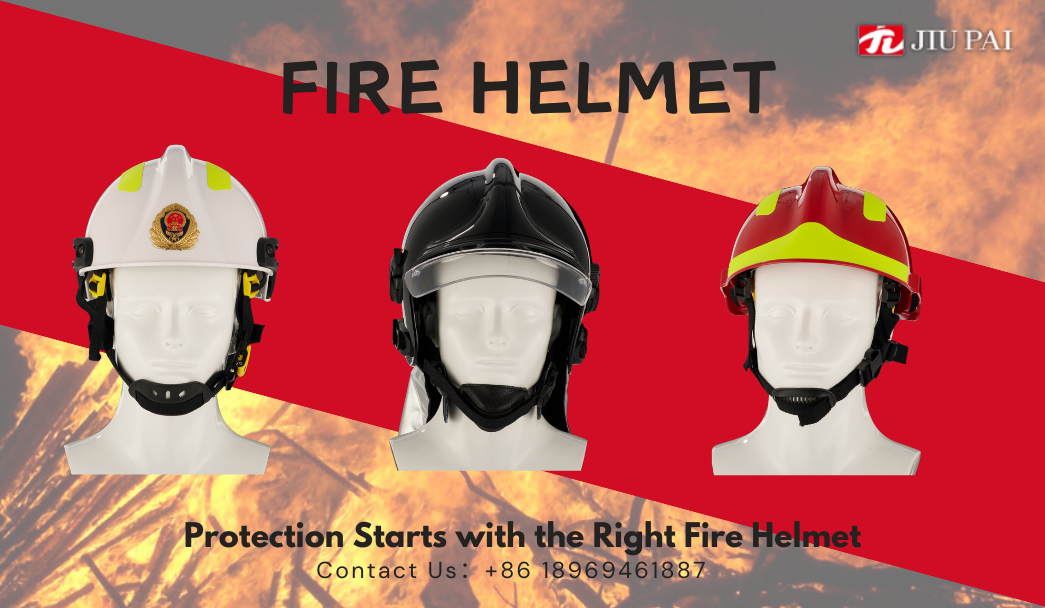
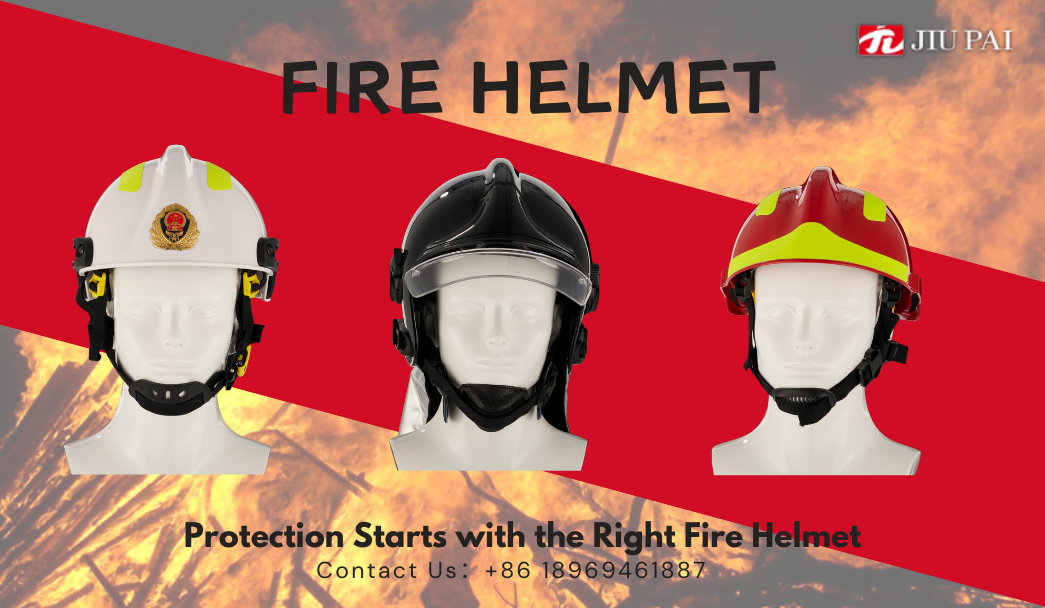
Moreover, all the certified firefighter helmets comply with the GB 2811 standard, which can effectively absorb impact force, resist sharp object punctures, and ensure the protective effect.
An adjustable device is located at the rear of the adjustable firefighter helmet, which can adapt to different head shapes to prevent displacement and further enhance the protective effect, ensuring the safety of rescue operations.
The ergonomic firefighter helmet is designed as a full-face or half-face style, with a head circumference range of 52 to 64 centimeters. The five-level adjustment function can precisely fit different head shapes.
Additionally, the high visibility fire helmet is equipped with reflective strips and an optional LED rear light, enabling quick identification of fellow team members in low visibility conditions.

The comfort of the ergonomic firefighting helmet affects rescue efficiency. Proper fit ensures firefighters can fully focus on rescue operations.
Extreme Conditions Firefighters Face
Firefighters face multiple dangers such as high temperatures, impacts, and chemical corrosion during rescue operations, and have extremely high requirements for firefighter helmet head protection. In structural fires, structural firefighting fire helmets are the key to safeguarding lives.Extreme high temperatures can burn the skin, damage brain tissue, and accelerate the aging of equipment. Falling debris can cause fatal injuries such as skull fractures. In addition, there are risks such as obstructed vision and chemical erosion, which require high-performance fire helmets for extreme environments to have all-round high-strength protection.
How Fire Helmets Protect Against Heat
Facing the intense heat at the fire scene, the heat resistant fire helmet provides all-round protection through a triple-layer structure consisting of the outer shell, buffer layer, and inner lining, combined with special high-temperature resistant materials, ensuring that the head temperature remains within a safe range by blocking, insulating and dissipating heat.The outer shell blocks heat
The outer shell of the high temperature fire helmet is made of high-temperature resistant materials such as carbon fiber composite materials and high-strength engineering plastics, which can withstand 450℃ for 30 minutes without deformation. The high-end model is coated with a golden layer, which can reflect more than 80% of radiant heat, building the first line of defense against high temperatures for the firefighter protective helmet.Helmets that meet NFPA standards must pass a 120℃ heat source test, with a heat transfer time of no less than 12 seconds, ensuring the safety of firefighters using NFPA certified fire helmets.
Insulation by buffer layer
The buffer layer is crucial for heat resistance in a fire helmet thermal protection system. It is made of aramid fireproof fabric, which can withstand temperatures up to 260℃ and has low thermal conductivity. The air gap formed between it and the outer shell can block heat conduction. Meanwhile, it also has sweat-absorbing and breathable properties, reducing the feeling of stuffiness during wearing.Inner lining heat dissipation
The inner lining of the breathable firefighting helmet is made of breathable flame-retardant fabric and features a two-way air vent design. The air flow rate can reach over 100L/min, which can quickly expel the hot air generated by the head and maintain a balanced temperature inside the helmet. Even during long-term rescue missions, the firefighter helmet for long operations can prevent firefighters from losing concentration due to high temperature and stuffiness, ensuring the efficiency of rescue operations.These three protective structures work in concert, endowing the fire helmet for high heat protection with excellent high-temperature resistance, and perfectly addressing the core issue of how the fire helmet can withstand high temperatures.
How Fire Helmets Protect Against Impact
There are risks of impact from falling objects and building collapses at the fire scene, which necessitates that impact resistant fire helmets must have extremely strong impact resistance. The firefighter impact protection helmet is designed with a combination of a rigid shell and an elastic buffer system, which can absorb, disperse and cushion the impact energy, minimizing the damage to the head caused by the impact.Shell dispersion
The helmet shell of the industrial-grade firefighting helmet is made of high-strength material, which has strong impact resistance. In case of a falling object hitting it, the shell can quickly distribute the impact force over the entire helmet, preventing the force from concentrating at one point and avoiding injury to the firefighter's head.Moreover, all the certified firefighter helmets comply with the GB 2811 standard, which can effectively absorb impact force, resist sharp object punctures, and ensure the protective effect.
Buffering energy absorption
The buffer layer is crucial for protecting the fire helmet against head impact. It is made of elastic materials such as silicone and foam. When subjected to an impact, firefighting helmets with shock absorption systems will first compress and then rebound, absorbing most of the impact force and significantly reducing the damage to the head.Fixing anti-detachment function
The secure fit fire helmet is equipped with a head strap, a chin strap and a neck strap. The three structures closely fit the head and will not come off even during impacts, vibrations or rapid movements during rescue.An adjustable device is located at the rear of the adjustable firefighter helmet, which can adapt to different head shapes to prevent displacement and further enhance the protective effect, ensuring the safety of rescue operations.
Fire Helmet Design Features That Improve Safety
A high-quality professional fire helmet for firefighters not only depends on the quality of materials but also stems from the safety designs in the details. These designs, although seemingly insignificant, can provide crucial protection for firefighters in extreme situations.Lightweight design
The regular lightweight firefighting helmet weighs no more than 1.5 kilograms, while the high-level fire helmet weighs only 1.2 kilograms. By optimizing the weight distribution, it reduces the neck burden during long-term wearing.The ergonomic firefighter helmet is designed as a full-face or half-face style, with a head circumference range of 52 to 64 centimeters. The five-level adjustment function can precisely fit different head shapes.
Comprehensive protection
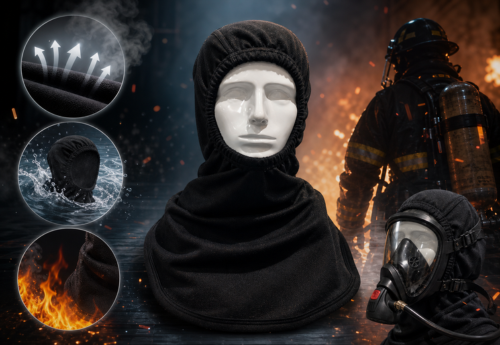
The full protection fire helmet not only protects the top of the head but also extends to the sides of the temples, the back of the neck and other vulnerable areas. Some advanced firefighting helmets are equipped with adjustable neck protection covers, providing further protection for the back of the neck from falling objects and high temperatures.Visual Connectivity
The fire helmet shell design avoids covering the ears, thereby enhancing the clarity of team communication. An optional integrated communication system is also available for fire helmets with communication systems, ensuring clear voice transmission even in noisy environments.Additionally, the high visibility fire helmet is equipped with reflective strips and an optional LED rear light, enabling quick identification of fellow team members in low visibility conditions.
Equipment compatibility
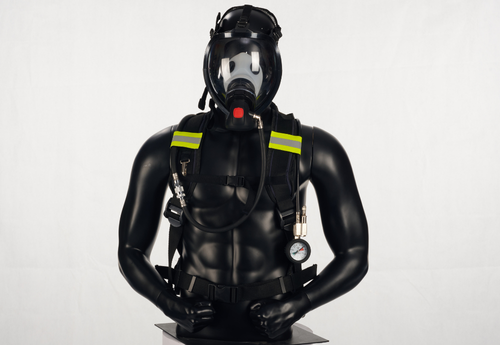
The multi-functional firefighting helmet can be perfectly compatible with equipment such as breathing masks, thermal imagers, and explosion-proof headlamps. Attachments can be installed without tools, meeting the diverse needs of rescue scenarios.
How to Choose the Right Fire Helmet
For firefighters and firefighting equipment purchasers, selecting the best fire helmet for firefighters requires comprehensive consideration of protective performance, certification standards, and usage scenarios.Prioritize certification
It is necessary to select helmets that comply with NFPA 1971 and EN 443 standards, with third-party test certification reports to ensure that the protective performance meets the requirements. Avoid purchasing un-certified or low-standard inferior firefighter helmets to eliminate potential safety hazards.Match the scene
Different rescue scenarios require different types of fire helmets. For structural fires, full helmet fire helmets for structural firefighting are recommended. For forest firefighting, wildland firefighting helmets with ventilation can be chosen. For chemical rescue, a fully enclosed chemical fire helmet with gas mask compatibility should be selected.Focus on performance
When choosing a fire helmet, the key factor to consider is its core performance. The weight should be moderate so as not to press on the neck. It must also be able to withstand high temperatures without deforming and be able to absorb impacts. The face mask should be fog-proof and scratch-resistant, so that the vision remains clear in the smoke. All these performance standards must be met to ensure the safety of rescue operations in extreme environments.Attach importance to comfortThe comfort of the ergonomic firefighting helmet affects rescue efficiency. Proper fit ensures firefighters can fully focus on rescue operations.
Fire Helmet Manufacturer and Quality Assurance
The quality of fire helmets directly affects life safety. Choosing a reputable manufacturer and professional supplier of fire helmets is of utmost importance. As a large manufacturer with a long history in the field of fire equipment, JIUPAI has always regarded ultimate protection and quality supremacy as its core, providing high-quality fire helmets for firefighters worldwide.Strict quality control
From raw material procurement to production processing, each step undergoes third-party inspection to ensure that the helmets meet both international and domestic standards. The outer shell is made of imported carbon fiber composite material, the cushioning layer uses aramid fabric, and the core components are traceable to ensure the absence of inferior materials.Customized service
As a custom manufacturer of fire helmets, JIUP can customize the shape, color, size and any additional features, such as integrated masks or communication devices, according to the customer's requirements, to meet the individual needs of different fire brigades.Improve after-sales service
Provide professional maintenance training, accessory supply services, assist customers in establishing helmet usage management files, and regularly remind them of inspections and replacements to ensure that each helmet remains in the best protective condition at all times.Conclusion
The fire helmet is the life-saving helmet for firefighters on their perilous journey. Behind its ability to resist high temperatures and withstand impacts lies the innovation of material technology, the upgrade of design concepts, and the manufacturer's reverence for life safety. Choosing a qualified fire helmet is essential to build an unbreakable head protection line for firefighters. If you have any requirements for purchasing or customizing fire helmets, please feel free to consult us - a professional manufacturer of fire equipment. With quality, we protect every single rescue mission!
Last Article:
Request A Quote
Related News
Quick Consultation
We are looking forward to providing you with a very professional service. For any
further information or queries please feel free to contact us.