
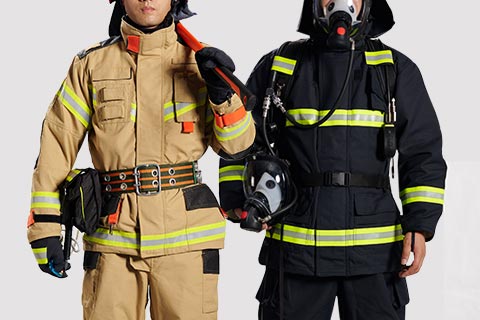

Why Are Firefighter Helmets Shaped That Way
Are you curious about why fire helmets look the way they do? Every curve comes from years of development, safety design, and firefighting practices. A helmet is a key tool that protects firefighters. Its design balances protection, comfort, and functionality to help them face the toughest conditions. Understanding fire helmet shape reveals the thought and care behind every life-saving feature.
Leather was the main material. It was easy to get and lasted a long time, but it did not resist heat or fire well. The helmets were round domes with small brims. They stopped debris and blocked smoke and sparks. They laid the base for future helmets but gave far less protection than modern designs. Helmet development improved when fire departments became professional and focused on equipment.
The top ridge guided and removed heat, sparks, and debris. A wider brim and rounded dome increased visibility and impact protection. The design combined safety and symbolism. It kept firefighters safe and became a sign of courage and duty. This fire helmet became the classic symbol in firefighting around the world.
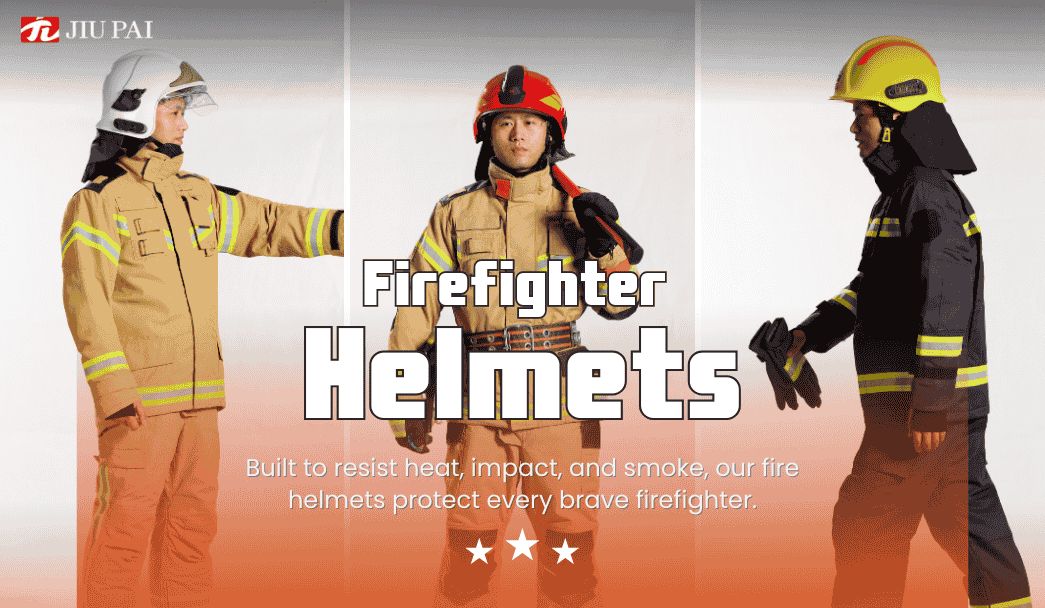
A major change happened in the mid-20th century. Leather was replaced with synthetic materials. Shapes became more consistent and heat resistance improved. Neck plates, face masks, and other safety parts were added. By the late 20th century, helmets became precise tools that met strict safety rules. This showed the focus on firefighter safety and the impact of new technology on helmet design.
The ridged top creates small air gaps for better insulation and airflow, improving heat-resistant firefighter helmet performance. The wide brim shields the eyes, face, and neck from flames and heat, offering full protective firefighter helmet coverage. These features make the helmet heat-resistant and efficient, reducing contact with heat and giving firefighters more safe working time in high-temperature fire helmet scenarios.
The helmet’s strong shape keeps it from breaking under heavy blows and guides debris to the sides, enhancing durable protective firefighter helmet performance. The key idea is using the helmet’s shape to make materials work better, which is essential for high-performance firefighting helmets. Modern helmets also have shock-absorbing padding, but the main principle of spreading and guiding impact through curves stays the same, ensuring reliable safety helmet protection for firefighters.
The wide brim blocks smoke, bright light, and sparks to improve sight, offering reliable firefighting helmet visibility protection. Modern fire helmets add reflective strips so teammates can see each other in dark places, improving high-visibility safety helmet features. This practical design comes from real feedback, keeping work efficient without losing protection.
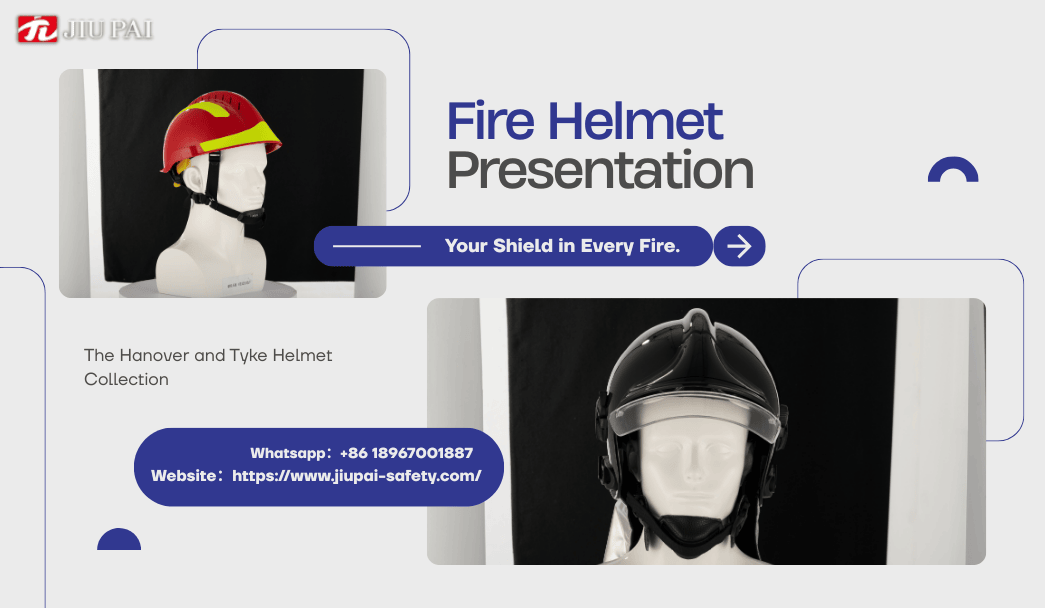
Those in fire safety or looking for high-quality firefighting helmets can explore JIUPAI full collection of NFPA and ISO certified fire helmets. They have advanced designs, giving strong protection and comfort. These helmets provide reliable life protection for firefighters.
The History of Fire Helmet Development
The change in fire helmet shape shows human intelligence in dangerous situations. Early helmets were basic protection, now they are precise safety tools. Each era shows the technology and challenges of the time.Origin
Before the 18th century, firefighters were mostly volunteers without special headgear. Some used simple leather caps or old military helmets. These early helmets offered little protection. Their main role was to block falling objects and to mark different people.Leather was the main material. It was easy to get and lasted a long time, but it did not resist heat or fire well. The helmets were round domes with small brims. They stopped debris and blocked smoke and sparks. They laid the base for future helmets but gave far less protection than modern designs. Helmet development improved when fire departments became professional and focused on equipment.
Turning point
In the mid-19th century, Henry Gratacapu from New York designed the "New York-style" helmet. This design was a big change. The ridged top solved problems of old leather helmets and met firefighters’ needs. It became a standard worldwide.The top ridge guided and removed heat, sparks, and debris. A wider brim and rounded dome increased visibility and impact protection. The design combined safety and symbolism. It kept firefighters safe and became a sign of courage and duty. This fire helmet became the classic symbol in firefighting around the world.
Milestone
Industrial cities created new fire risks like factories and tall buildings. Fire helmets kept changing to meet these dangers. In the 20th century, materials and design improved. Protection, visibility, and comfort became more important.A major change happened in the mid-20th century. Leather was replaced with synthetic materials. Shapes became more consistent and heat resistance improved. Neck plates, face masks, and other safety parts were added. By the late 20th century, helmets became precise tools that met strict safety rules. This showed the focus on firefighter safety and the impact of new technology on helmet design.
Why Firefighter Helmets Have That Shape
The dome, brim, and ridged parts of a fire helmet all exist to keep firefighters safe in extreme conditions. Firefighters face high heat, falling objects, and thick smoke with low visibility. The helmet’s shape meets these needs and shows careful engineering.Withstanding high temperatures and flames
Fire scenes reach very high temperatures, around 538 degrees Celsius, which can cause serious burns. Fire helmet’s shape helps push heat and flames away. Its sloped top moves hot air, sparks, and dangerous particles away from the head, providing effective firefighting helmet protection.The ridged top creates small air gaps for better insulation and airflow, improving heat-resistant firefighter helmet performance. The wide brim shields the eyes, face, and neck from flames and heat, offering full protective firefighter helmet coverage. These features make the helmet heat-resistant and efficient, reducing contact with heat and giving firefighters more safe working time in high-temperature fire helmet scenarios.
Impact resistance
Falling debris is a serious risk for firefighters. A rounded dome absorbs and spreads impact forces, providing effective firefighter helmet impact protection. This reduces strong hits in one spot and lowers the chance of brain injury.The helmet’s strong shape keeps it from breaking under heavy blows and guides debris to the sides, enhancing durable protective firefighter helmet performance. The key idea is using the helmet’s shape to make materials work better, which is essential for high-performance firefighting helmets. Modern helmets also have shock-absorbing padding, but the main principle of spreading and guiding impact through curves stays the same, ensuring reliable safety helmet protection for firefighters.
Visibility and maneuverability
Fire scenes are dangerous, with darkness, smoke, and tight spaces. Fire helmet’s curved, low shape helps firefighters move freely, providing excellent firefighter helmet maneuverability. It avoids catching on objects and allows smooth actions, enhancing ergonomic protective helmet performance.The wide brim blocks smoke, bright light, and sparks to improve sight, offering reliable firefighting helmet visibility protection. Modern fire helmets add reflective strips so teammates can see each other in dark places, improving high-visibility safety helmet features. This practical design comes from real feedback, keeping work efficient without losing protection.
Key Safety Features of the Fire Helmet
The basic shape of a fire helmet forms the foundation of protection. The ridged structure, brim, neck protection plates, and face masks all work with the core shape. They address dangers and improve overall protection.Ridged structure and brim
The ridged structure and brim are the most recognizable parts of a fire helmet and serve practical purposes. The ridged top moves heat and debris, providing reliable firefighter helmet impact and heat protection. Department markings or reflective strips improve visibility in chaotic situations, offering high-visibility protective firefighter helmets. The brim shields eyes and face from heat, smoke, rain, and falling objects. It also blocks sunlight and helps drain water. These features match the helmet’s shape to give full firefighter helmet coverage. The firefighter helmet shows a strong example of combining form and function in ergonomic protective helmets.
Neck protection piece
The neck is a vulnerable area for firefighters. The neck protection piece covers the back of the neck and upper shoulders. It is made of fire-resistant material and attaches to the rear of the helmet. The firefighter helmet’s rear shape fits the piece securely. It stays in place as the head moves and does not restrict motion. This protection is vital in tight spaces, filling gaps that the basic helmet shape cannot cover, providing full neck and upper shoulder helmet protection.Face mask / facial protection shield
The face is exposed to heat, smoke, and sparks. The built-in face mask protects it. The mask fits the firefighter helmet’s dome and brim, removing blind spots compared to separate shields and giving full facial protection firefighter helmets. The mask is designed to fit the face and maintain clear vision. It is heat- and impact-resistant, handling extreme conditions. The mask adjusts between ventilation and full protection and guides heat and debris away with the brim. This design enhances the helmet’s core firefighter head and face protection.Future Trends in Helmet Design
Technology is pushing fire helmets toward lighter weight and smarter functions. Modern fire helmets keep the classic protective shape while adding new technologies to improve safety and operational efficiency. Future firefighting helmets will balance traditional shapes and advanced features to provide complete next-generation firefighter helmet protection.Lightweight design
Lightweight design is a main trend in new helmets. Carbon fiber and other advanced materials reduce weight without losing protection. The classic shape keeps safety advantages. Lighter fire helmets reduce firefighter fatigue and improve comfort and efficiency during rescues. Lightweight design does not only mean using less material. It carefully balances shape, materials, and structure through precise engineering to optimize lightweight protective firefighter helmets.Intelligent functions
Intelligent helmets are at the forefront of fire equipment. They keep the classic shape and add new technology. Built-in cameras, communication systems, and thermal imaging allow real-time scene monitoring, clear communication, and danger detection in smoke-filled environments. The main goal is to maintain the firefighting helmet’s protective shape while upgrading it to a smart platform that combines safety, communication, and awareness, delivering high-tech intelligent firefighter helmet protection.Conclusion
Leather helmets and modern intelligent helmets share the same main purpose - keeping firefighters safe and helping them complete rescue work. Fire helmet shape comes from careful engineering and honors bravery. It shows how human wisdom protects courage.Those in fire safety or looking for high-quality firefighting helmets can explore JIUPAI full collection of NFPA and ISO certified fire helmets. They have advanced designs, giving strong protection and comfort. These helmets provide reliable life protection for firefighters.
Next Article:
Last Article:
Request A Quote
Related News
Quick Consultation
We are looking forward to providing you with a very professional service. For any
further information or queries please feel free to contact us.