
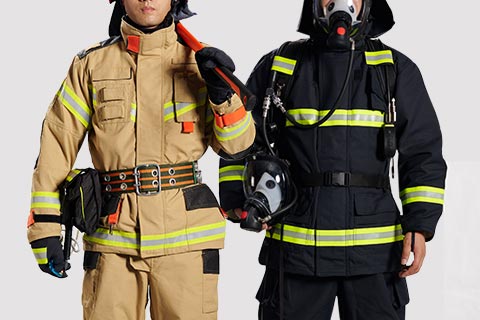

South-Central Chile Wildfires Advanced Firefighting Equipment in Action
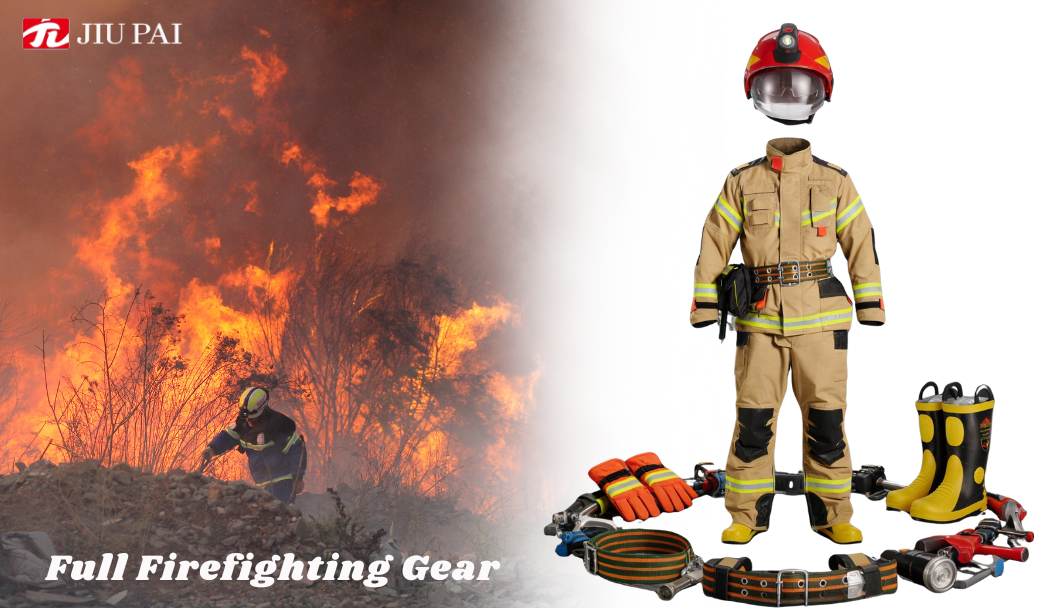
Recently, extreme wildfires broke out in several parts of south-central Chile, spreading rapidly and covering the regions of Araucanía, Bío Bío and Nublé. Firefighters launched firefighting operations with the National Forest Service and international support. In the face of complex fire lines and high temperatures, advanced firefighting equipment was key to extinguishing the fires and keeping people safe. The fire environment is extreme, and the heat and smoke put tremendous pressure on the firefighting efforts, and each team member relies on high-performance fire equipment to accomplish their mission.
In the future, through equipment upgrades, training exercises and technological application innovations, we can further enhance our firefighting capabilities, respond to larger-scale fires, protect the lives and properties of residents, and promote the research and development of firefighting equipment and its practical application.
Overview of Wildfires in South-Central Chile
Fire size and death toll
At last count, the wildfires had burned more than 45,000 hectares of forest, farmland and peri-urban areas, including about 20,500 hectares in the Araucanía region, 17,800 hectares in Bío Bío, and 6,700 hectares in Maule. The fires have resulted in at least 21 deaths, hundreds of injuries and the emergency evacuation of some 50,000 inhabitants. Thousands of houses have also been destroyed or damaged by the fires, which are spreading rapidly, posing a huge challenge to rescue efforts.Meteorological factors exacerbated the fire
During the fire, temperatures in the region were as high as 36-38°C for several days, with air humidity of only 12-15%. Winds from the south could reach speeds of 35-40 kilometers per hour, accelerating the spread of the flames. Vegetation under drought conditions has very low water content, and dead branches and leaves are easily combustible, so the fire line is rapidly expanding, and the difficulty of fighting the fire is greatly increased. According to the meteorological department, such extreme weather conditions are rare in the same period in history, which puts higher demands on the dispatch of fire-fighting resources.Evacuation and emergency response
With the fire approaching residential areas, the local government initiated an emergency evacuation plan, and more than 50,000 residents were moved to safe shelters. Temporary shelters were equipped with food, medical and fire prevention facilities, and firefighters and volunteers provided round-the-clock support. Community information systems synchronized fire updates via radio, cell phone text messages and social media to ensure timely evacuation of the public away from the fire line and reduce the risk of casualties.
Fire topography and fighting difficulty
The fires are mainly in mountainous and hilly areas, some of which are inaccessible and difficult for firefighting vehicles to access. The temperature of the fire reached 500°C in the hot spot area, and the smoke blocked the vision. The team members need to carry lightweight mobile equipment and drones to assist in monitoring the fire, and at the same time use a combination of fire suits, helmets and breathing apparatus to protect their own safety, and fight the fire under high temperature, thick smoke and complex terrain.Best Firefighting Clothing for Extreme Wildfires
High temperature fire protection
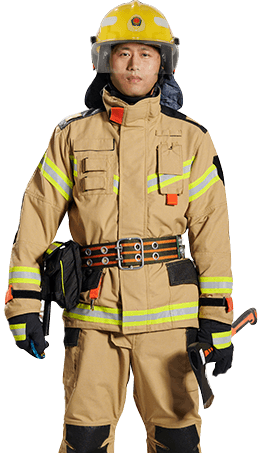
Some fire point temperatures are over 500°C, and firefighting clothing's high temperature resistant layer provides critical protection for team members by insulating them from heat radiation. In a high temperature environment, the crew can operate the high pressure water gun and clear the fire barrier for a long period of time, and is less likely to suffer from burns or heat exhaustion. In parts of the Araucania fire zone, crews wearing firefighting suits have remained safe for hours in areas of alternating smoke and high temperatures.Fire-retardant materials
JIUPAI fire suit is made of multi-layer fire-retardant composite materials, even if the sparks or burning branches and leaves touch the surface, it can remain impervious for several minutes. During fire operations, team members can extinguish fires at close range or conduct clean-up barrier operations without injury. The presence of flame retardant clothing reduces accidents and improves the psychological safety and operational efficiency of firefighting team members.Comfort and Flexibility
Modern firefighting clothing is protective while focusing on lightweight and breathable design. The breathable layer helps sweat and dissipate heat, reducing fatigue caused by high body temperature. The team can maintain flexible action, fast movement and precise operation during several hours of continuous fire fighting, especially in the mountainous and hilly complex fire environment, lightweight design is particularly important.Top Self-Contained Breathing Apparatus (SCBA) for Firefighters
Air respiratory system
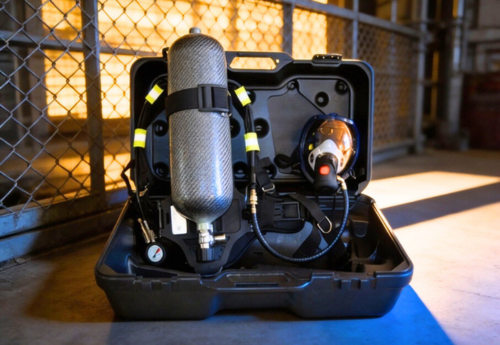
The fire scene is filled with smoke, toxic gases and small particles, high-efficiency air respirator to provide clean air for the team to reduce respiratory system damage. When fighting fire for a long period of time, the equipment supports continuous air supply so that the team members can safely perform fire-fighting tasks in the smoke-covered area while maintaining a high degree of alertness and operational precision.Multi-layer filtering mask
The multi-layer filtration system of the gas mask can effectively block smoke and harmful gases and reduce respiratory tract irritation. The mask is used in conjunction with firefighting suits during prolonged operations to minimize heat exposure to the head and face and improve operational comfort. In parts of the Bío Bío fire zone, the mask effectively protects the respiratory tract as the crew travels between fire lines, ensuring continuous firefighting.Long time operations support
JIUPAI's breathing gear is designed to combine comfort and range for hours of continuous operations. High-capacity cylinders and comfortable straps are designed to reduce the frequency of replacement, so that the team members can reduce the pause and improve the efficiency of fire-fighting during the continuous operation on the fire line.High-Performance Firefighter Helmets for Wildfire Safety
High temperature protection design
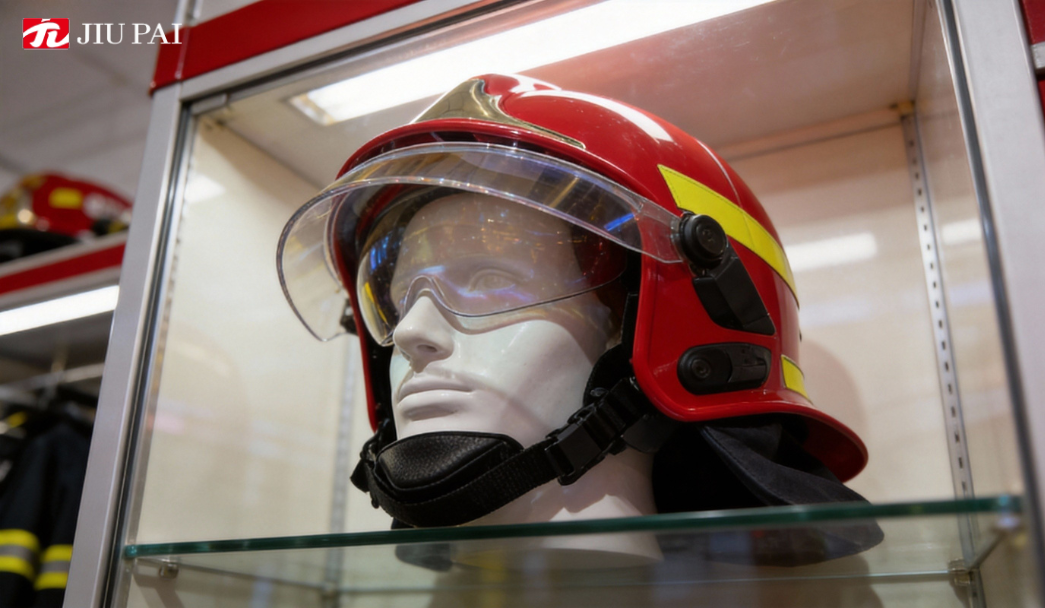
The firefighting helmet is made of high temperature resistant composite material, which is able to withstand the heat radiation of the fire scene and the impact of burning debris. When the temperature of the fire scene exceeds 300°C, the helmet provides stable protection for the head of the team members and ensures comfortable wearing for a long period of time. In some of the hot spots in Araucania, the helmet protected the crew from heat and flying sparks.Impact resistance
Fallen branches, flying construction debris, or tools can strike the head during a fire. Modern fire helmets have a thickened impact layer to improve impact resistance. The helmet effectively prevents accidental impact injuries when the team members are clearing the fire separation zone or entering the hot zone, providing protection for fire-fighting operations.Comfort and fit
JIUPAI's fire helmets feature a breathable liner and adjustable straps on the inside to keep them comfortable for extended periods of wear. The breathable design reduces stuffiness and fatigue, and improves the team's concentration under high temperature and dense smoke environment.
Command and Communication Equipment
Real-time surveillance system
Command centers monitor changes in the fire situation through satellites, drones, and thermal imaging to get a real-time picture of how fast and in what direction the fire line is expanding. Precise data makes scheduling of crews and air support more scientific, reduces the exposure of crews in high-risk areas, and improves fire-fighting efficiency and safety at the same time.Dispatch and decision support
The modern command and control system integrates fire data, weather changes and crew locations to enable scientific decision making. The system allows instant adjustment of operation plan, optimizes resource allocation, improves fire-fighting speed, reduces the risk of accidents, and guarantees orderly fire-fighting operations.Communication equipment guarantee
Complex terrain and smoke in the fire will interfere with communication, high-performance wireless communication equipment ensures that the team members stay in touch with the command center. Even in remote valleys or dense forest fires, the team members can receive real-time instructions and feedback on the scene to ensure firefighting coordination and safety.Equipment Maintenance and Training
Fire equipment maintenance
The scientific maintenance of firefighting equipment is key to performance and safety. After fighting a fire, fire suits, breathing apparatus and helmets need to be cleaned, dried and checked for heat resistance. Proper maintenance can prolong the life of the equipment, ensure reliability and safety in the next fire-fighting operation, and reduce the risk of fire scene accidents.Practical Training Exercises
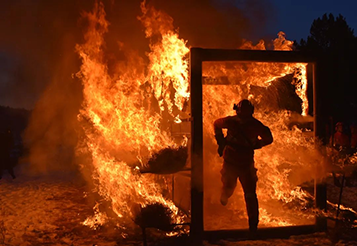
Firefighters familiarize themselves with equipment performance and operational procedures through exercises that simulate fire conditions, including high temperatures, dense smoke, complex terrain and changes in wind direction. The drills can improve team members' proficiency in the combined use of fire suits, breathing apparatus and helmets, and enhance fire-fighting efficiency and safety.Technology and Equipment Updates
Continuous introduction of new flame retardant materials, lightweight breathing systems and intelligent monitoring equipment enables the fire fighting force to continuously upgrade its equipment. Technological innovation can improve the protection ability, operational efficiency and on-scene decision-making ability of team members, so as to cope with the challenges of larger-scale fires in the future and protect the safety of people and property.Conclusion
The wildfires in south-central Chile highlight the important role of advanced firefighting equipment. High-temperature resistant firefighting suits, high-efficiency breathing apparatus, sturdy firefighting helmets, and intelligent command and communication equipment provide all-around protection for firefighters and improve firefighting efficiency.In the future, through equipment upgrades, training exercises and technological application innovations, we can further enhance our firefighting capabilities, respond to larger-scale fires, protect the lives and properties of residents, and promote the research and development of firefighting equipment and its practical application.
Request A Quote
Related News
Quick Consultation
We are looking forward to providing you with a very professional service. For any
further information or queries please feel free to contact us.