
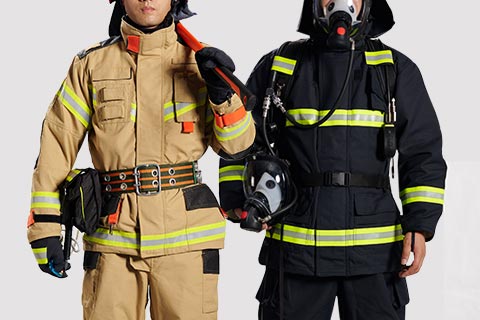

Why Impact Resistance Is Essential for Firefighter Helmets
There are fatal risks such as collapse and falling objects at the fire rescue site, and as the last line of defense for the head, the impact resistance of fire helmets is directly related to the survival of firefighters. In this article, we will combine the standard, process and actual test, dismantle the impact resistance of helmets, answer the doubts, and provide professional reference for purchasers and users.
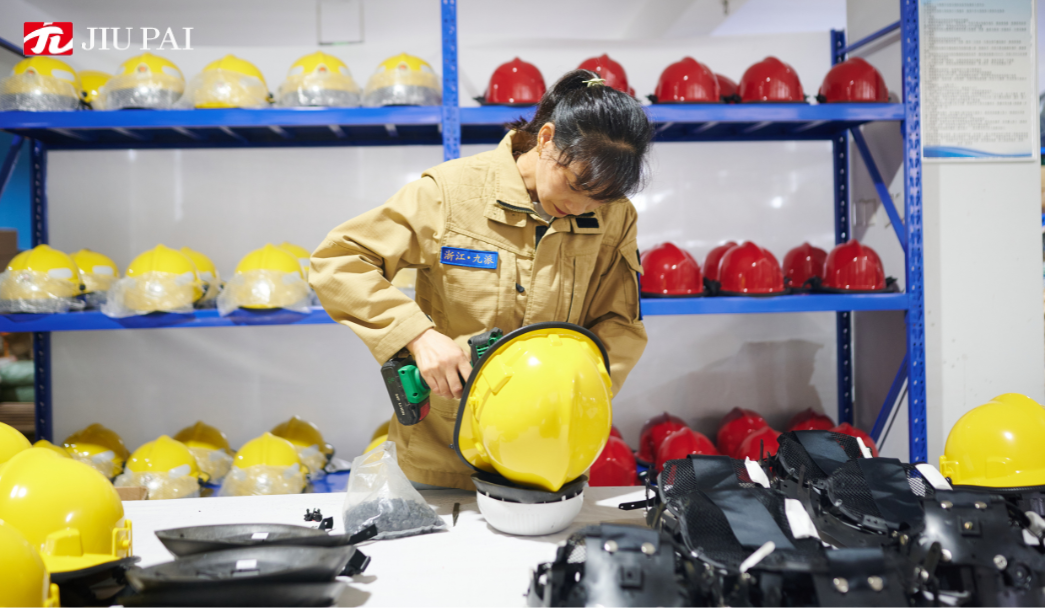
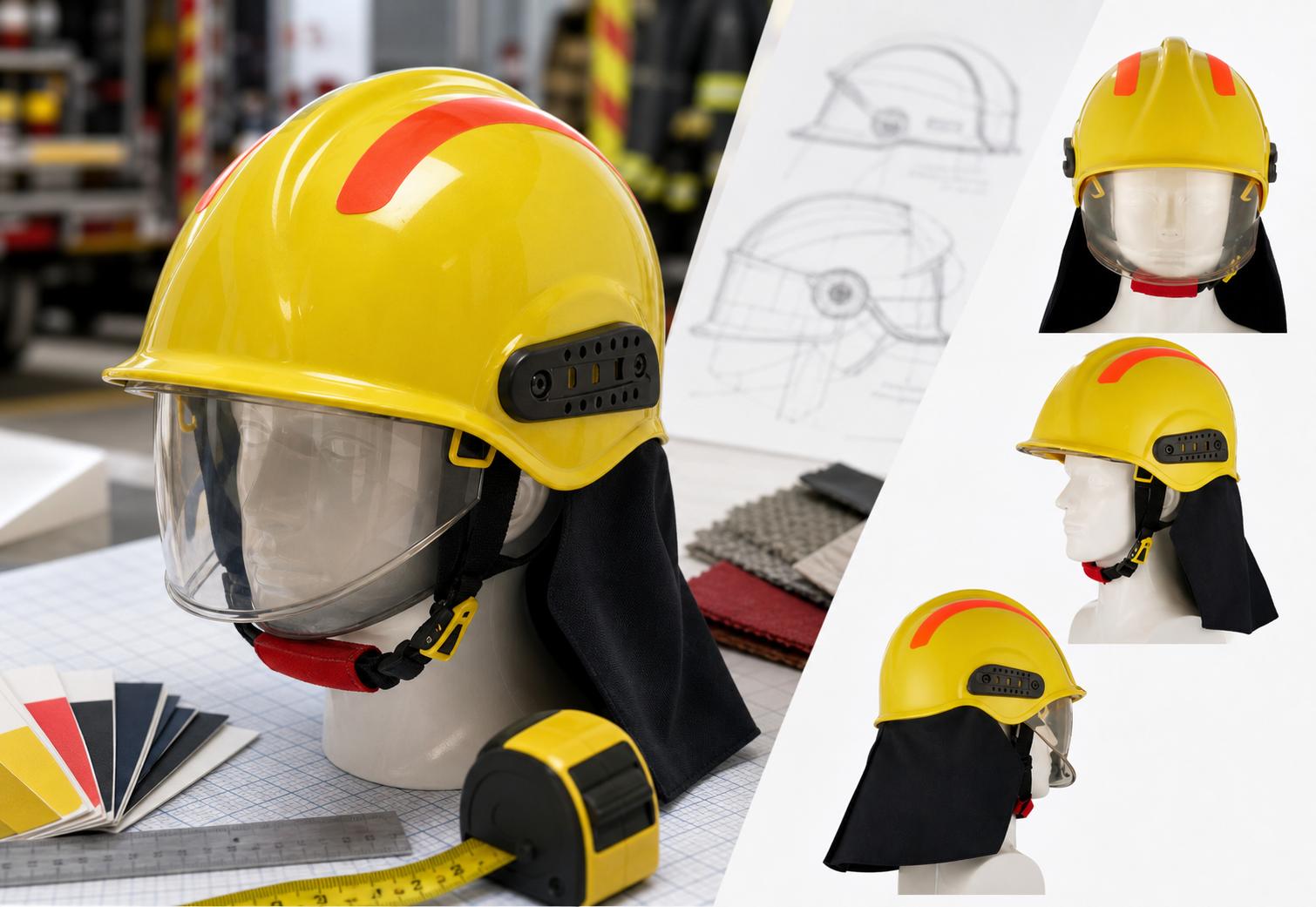
Modern firefighter helmets use a reinforced outer shell plus shock-absorbing inner core of the dual structure, the outer layer to resist external forces, the inner layer of buffer energy, through the scientific arrangement of dispersion of instantaneous impact to avoid local penetration. Therefore, impact resistance is the core safety performance of the helmet, but also to measure its qualification and adaptability to the actual combat of the key, directly related to the firefighters life safety.
This impact energy range is not set out of thin air, but accurately matches the common risk scenarios in firefighting and rescue, and is able to effectively absorb the energy of the following typical impacts, providing firefighters with reliable protection:
1. Falling debris impact: such as the fire scene falling bricks, concrete debris, this kind of debris weight is usually in 1-5kg, falling height 1-3 meters, impact energy of about 40-80 joules, completely in the firefighting helmet protection range.
2. Tools fall impact: rescue process, fire axe, demolition tools and other accidental fall, weight 2-3kg, fall height 2-4 meters, impact energy of about 50-90 joules, the fire helmet can be effective buffer.
3. Structural collapse impact: when the building collapses the debris generated by the splash, a slight impact, the impact energy is usually 30-70 joules, the fire helmet can effectively disperse the impact force, to avoid direct head force.
1. Structural design: a reasonable structure can effectively disperse the impact force. The focus is on the shape of the helmet design, the top of the cap reinforcement design, shell wall thickness uniformity.
2. Internal suspension system: responsible for dispersing the impact energy and reducing the localized force on the head. High-quality suspension system adopts adjustable design, which can fit different head shapes, and at the same time, through the elastic cushioning of the webbing, the impact energy will be dispersed to all parts of the head, avoiding the single-point force is too large.
3. Shock-absorbing core material: This is the core of the cushioning impact. Mainstream materials for high-density foam, EVA shock-absorbing cotton, high-quality shock-absorbing core needs to have no rebound after the impact, high energy absorption efficiency, can be in the instantaneous impact through its own deformation, absorbing most of the impact energy, reducing the impact force transmitted to the head.
1. Priority look at the certification: it is recommended to choose through the CE certification or domestic CCC certification of the product, which is the fire helmet impact resistance performance of the important guarantee.
2. Concerned about the material and process: shell priority Kevlar or polycarbonate composite material, avoid choosing ordinary plastic material. Core selection of high-density shock-absorbing foam, to ensure shock-absorbing efficiency. Craft choose one-piece molding, avoid splicing shell.
3. Emphasis on shock absorption and suspension system: when shopping, you can manually press the inner core to feel the shock absorption effect. Pressing slowly rebound, do not collapse for quality. Suspension system needs to be adjustable, can adapt to different head shapes, and has a quick adjustment function, can be unlocked with one hand in case of emergency, to enhance the safety of rescue.
4. Take into account the comfort and practicality: firefighters rescue, the helmet needs to be worn for a long time, so the weight needs to be controlled within 1.3kg (excluding the cape), to avoid aggravating the burden on the neck. At the same time, the fire helmet needs to have a good field of vision (horizontal field of view ≥ 105 °), flame retardant (time to ignition ≤ 2s), electrical insulation (leakage current ≤ 3mA), to adapt to all kinds of complex rescue scenarios.
As a professional manufacturer in the field of firefighting equipment, we have always been guarding the lives of firefighters as the core, each helmet has been tested to ensure that the impact resistance is up to standard, to provide more reliable and safer protective equipment for the firefighting and rescue team. If you have firefighter helmet procurement, customization fire helmet needs, you can contact us at any time, the professional team to provide you with one-on-one solutions, with professional technology to guard every retrograde hero.
Why Impact Resistance Is Essential for Firefighter Helmets
Firefighters often face impact risks such as wall debris, falling bricks, falling tools, etc. in fire fighting, earthquake rescue, collapse disposal and other scenarios, and these impacts may cause fatal injuries such as skull fractures. Data show that head injuries are common types of serious injuries to firefighters, qualified fire helmets can disperse the impact energy, reducing the risk of serious injury by more than 80%.Modern firefighter helmets use a reinforced outer shell plus shock-absorbing inner core of the dual structure, the outer layer to resist external forces, the inner layer of buffer energy, through the scientific arrangement of dispersion of instantaneous impact to avoid local penetration. Therefore, impact resistance is the core safety performance of the helmet, but also to measure its qualification and adaptability to the actual combat of the key, directly related to the firefighters life safety.
Maximum Impact Force Firefighter Helmets Can Withstand
As a professional fire helmet manufacturer, we combine the domestic and international industry standards, their own product testing data, a clear answer --- mainstream modern firefighter helmets, can withstand the impact energy range of 50-100 joules, the specific value will be based on the design of the helmet process, material selection, certification standards and different differences.This impact energy range is not set out of thin air, but accurately matches the common risk scenarios in firefighting and rescue, and is able to effectively absorb the energy of the following typical impacts, providing firefighters with reliable protection:
1. Falling debris impact: such as the fire scene falling bricks, concrete debris, this kind of debris weight is usually in 1-5kg, falling height 1-3 meters, impact energy of about 40-80 joules, completely in the firefighting helmet protection range.
2. Tools fall impact: rescue process, fire axe, demolition tools and other accidental fall, weight 2-3kg, fall height 2-4 meters, impact energy of about 50-90 joules, the fire helmet can be effective buffer.
3. Structural collapse impact: when the building collapses the debris generated by the splash, a slight impact, the impact energy is usually 30-70 joules, the fire helmet can effectively disperse the impact force, to avoid direct head force.
How Firefighter Helmet Impact Tests Are Conducted
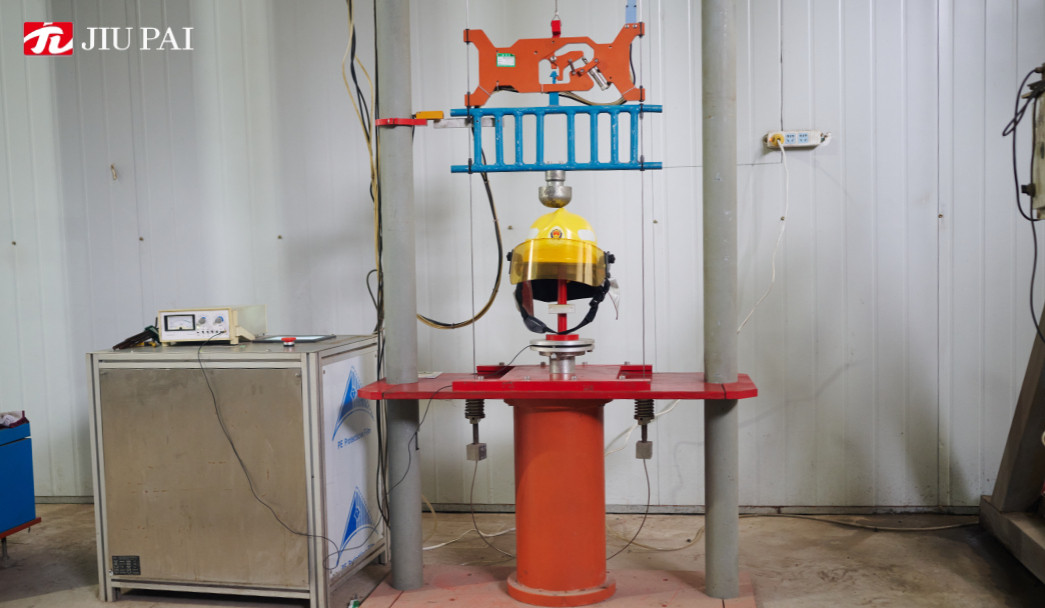
JIUPAI as a professional manufacturer, we insist that every firefighter helmet can withstand the actual test, the factory are required to pass a rigorous laboratory impact test, to ensure that the anti-impact performance of the standard. The following is a detailed explanation of the core process of fire helmet impact testing, so that you can intuitively understand the testing process of qualified helmets.Drop impact test
The test simulates the impact scene of falling objects at the rescue site, the helmet is worn on a standard head mold, and the specified weight of the hammer, usually a 5kg steel cone or hammer, is dropped freely from a specific height (1-3 meters), impacting the top, front, back, side and other key parts of the fire helmet, through the sensor accurately measuring the impact force and acceleration transmitted to the head mold. Qualified standards for the impact force does not exceed 3780N, the maximum impact acceleration of the top of the cap does not exceed 150g, the front and side of the cap and the back of the cap 400g, no rupture of the fire helmet, no debris falling off.Puncture test
Rescue site may face sharp debris, such as steel, glass impact, so the puncture test is critical. Test, will be 3kg sharp steel cone, from a height of 1 meter free fall, impact on the weak parts of the fire helmet, qualified standards for the steel cone shall not penetrate the fire helmet shell, shall not be contacted with the head mold, to ensure that the helmet can effectively resist the impact of sharp objects, to avoid the head is punctured injury. We produce fire helmets, through the shell material thickening and structural reinforcement, puncture test pass rate of 100%.Shock absorption performance test
The core of the helmet's impact resistance lies in the performance of the shock-absorbing core. Test, through the sensor real-time monitoring of the helmet core in the impact process of energy absorption, to assess the cushioning effect of the core. A qualified fire helmet needs to be able to absorb more than 70% of the impact energy, reducing the impact force transmitted to the head to a safe range. We use high-density shock-absorbing foam core, shock-absorbing efficiency of more than 85%, far exceeding the industry average, can effectively buffer the instantaneous impact.
Key Factors That Affect Fire Helmet Impact Strength
Shell material: this is the first line of defense of the fire helmet impact resistance, mainstream Kevlar, fiberglass, thermoplastic composite materials. Kevlar performance is optimal, high strength, light weight, high temperature resistance, is the first choice for high-end fire helmets. Fiberglass low cost, good insulation, suitable for routine operations. Thermoplastic composites are tough, cost-effective and suitable for bulk purchase.1. Structural design: a reasonable structure can effectively disperse the impact force. The focus is on the shape of the helmet design, the top of the cap reinforcement design, shell wall thickness uniformity.
2. Internal suspension system: responsible for dispersing the impact energy and reducing the localized force on the head. High-quality suspension system adopts adjustable design, which can fit different head shapes, and at the same time, through the elastic cushioning of the webbing, the impact energy will be dispersed to all parts of the head, avoiding the single-point force is too large.
3. Shock-absorbing core material: This is the core of the cushioning impact. Mainstream materials for high-density foam, EVA shock-absorbing cotton, high-quality shock-absorbing core needs to have no rebound after the impact, high energy absorption efficiency, can be in the instantaneous impact through its own deformation, absorbing most of the impact energy, reducing the impact force transmitted to the head.
How to Choose a High-Impact Firefighter Helmet
For fire rescue teams, corporate fire departments and purchasers, the core of choosing high impact firefighter helmets is to take into account the standards, materials and practicality. Combined with our years of experience in production and procurement, we summarize 4 core purchasing points to help you avoid misunderstandings and select qualified and safe products.1. Priority look at the certification: it is recommended to choose through the CE certification or domestic CCC certification of the product, which is the fire helmet impact resistance performance of the important guarantee.
2. Concerned about the material and process: shell priority Kevlar or polycarbonate composite material, avoid choosing ordinary plastic material. Core selection of high-density shock-absorbing foam, to ensure shock-absorbing efficiency. Craft choose one-piece molding, avoid splicing shell.
3. Emphasis on shock absorption and suspension system: when shopping, you can manually press the inner core to feel the shock absorption effect. Pressing slowly rebound, do not collapse for quality. Suspension system needs to be adjustable, can adapt to different head shapes, and has a quick adjustment function, can be unlocked with one hand in case of emergency, to enhance the safety of rescue.
4. Take into account the comfort and practicality: firefighters rescue, the helmet needs to be worn for a long time, so the weight needs to be controlled within 1.3kg (excluding the cape), to avoid aggravating the burden on the neck. At the same time, the fire helmet needs to have a good field of vision (horizontal field of view ≥ 105 °), flame retardant (time to ignition ≤ 2s), electrical insulation (leakage current ≤ 3mA), to adapt to all kinds of complex rescue scenarios.
Conclusion
The maximum impact force of the firefighter helmet is not only a number, but also a commitment to the safety of every firefighter's life. 50-100 joules of impact protection range is a precise combination of industry standards and operational needs, while high-quality materials, scientific design, rigorous testing is the core of the helmet's anti-impact performance guarantee.As a professional manufacturer in the field of firefighting equipment, we have always been guarding the lives of firefighters as the core, each helmet has been tested to ensure that the impact resistance is up to standard, to provide more reliable and safer protective equipment for the firefighting and rescue team. If you have firefighter helmet procurement, customization fire helmet needs, you can contact us at any time, the professional team to provide you with one-on-one solutions, with professional technology to guard every retrograde hero.
Last Article:
Request A Quote
Related News
Quick Consultation
We are looking forward to providing you with a very professional service. For any
further information or queries please feel free to contact us.